
Pogust Goodhead grew from an ambitious group litigation practice into one of Britain’s most prominent claimant law firms by using external capital to finance exceptionally large and expensive cases. Litigation funding allowed the firm to represent hundreds of thousands of clients without requiring them to pay substantial legal costs upfront. However, the same strategy also created a heavy financial burden, leaving the business dependent on borrowed money and the uncertain future proceeds of long-running claims.
External Funding Supported Rapid Expansion
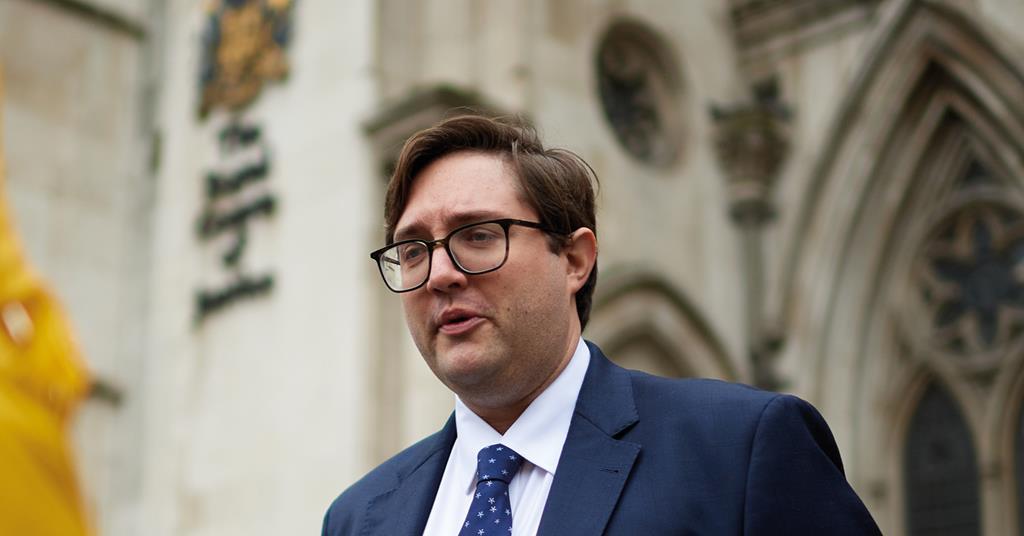
The story of Thomas Goodhead’s rise and dramatic ousting is closely connected to the firm’s aggressive use of litigation finance. Goodhead helped transform a relatively young practice into an international operation pursuing environmental, consumer, and human-rights claims against some of the world’s largest companies.
Cases involving the Mariana dam disaster in Brazil and emissions allegations against vehicle manufacturers required enormous investment. The firm needed lawyers, technical experts, document-review systems, overseas offices, claimant communications, and years of preparation before it could expect to receive significant income. Third-party funding provided the capital needed to maintain this model and enabled Pogust Goodhead to accept cases that would have been beyond the financial capacity of a conventionally funded law firm.
Its landmark funding arrangement with investment manager Gramercy was presented as a major vote of confidence in the strength of its litigation portfolio. It also gave the firm resources to expand rapidly, recruit staff, and pursue several complex group actions simultaneously.
Long Cases Turned Investment Into Mounting Debt
The difficulty with litigation funding is that legal proceedings rarely follow a predictable timetable. Appeals, procedural disputes, disclosure exercises, and separate trials concerning liability and compensation can delay any financial return for years. During that period, interest and other funding costs may continue to accumulate while the law firm still has salaries, offices, expert fees, and court expenses to pay.
Pogust Goodhead’s accounts revealed the scale of this pressure. The firm reported substantial losses, rapidly increasing liabilities, and a continuing need for additional capital. Its financial position became particularly sensitive because revenue from major claims could not be recognised or collected until important legal milestones were reached.
The firm has argued that traditional accounts do not fully reflect the potential value of its cases. That explanation has some logic because a successful mass claim may eventually produce significant fees. Nevertheless, potential future income cannot remove immediate cash-flow obligations. If cases take longer than expected or generate smaller recoveries, the gap between current debt and future revenue becomes increasingly difficult to manage.
Funding Dependence Created Governance Concerns

Heavy reliance on a principal financial backer also raised questions about control. Litigation funders may provide essential access to justice, but disputes can arise over budgets, strategic priorities, spending, and the amount of influence investors should exercise over a law firm’s management.
These tensions became more visible during the leadership crisis that resulted in Goodhead’s removal as chief executive. A new management team and board structure were introduced as the firm faced scrutiny over expenditure, governance, and its relationship with Gramercy. The episode demonstrated how financial dependence can become a management risk when the funder’s continued support is essential to everyday operations.
The challenge for the new leadership is to preserve professional independence while satisfying creditors that costs are controlled and major claims are being managed effectively. It must also reassure clients that commercial disagreements will not disrupt their cases.
Conclusion
Litigation funding made Pogust Goodhead’s extraordinary expansion possible, allowing it to pursue claims that individual victims could never have financed alone. Yet rapid growth, lengthy proceedings, and expensive borrowing left the firm carrying substantial debt before its largest cases produced returns. Its future now depends on converting litigation successes into sustainable revenue while introducing stronger spending controls, clearer governance, and a less vulnerable financial structure.