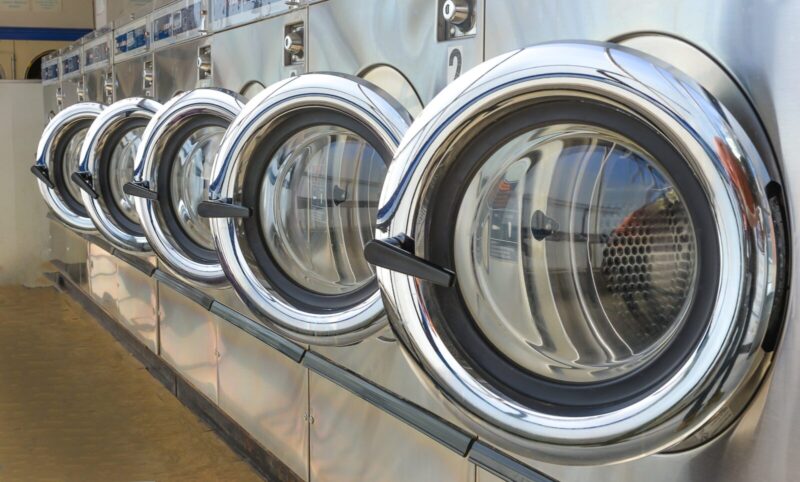
Replacing ageing equipment is a major investment for any commercial laundry. While older machines may continue operating, declining efficiency, increasing maintenance costs, and inconsistent performance can gradually affect productivity and customer satisfaction. Choosing the right time to upgrade requires careful planning and a clear understanding of operational needs.
Before purchasing new machinery, laundry operators should evaluate how existing equipment performs, identify workflow bottlenecks, and consider future business growth. A well-planned upgrade can improve efficiency while reducing operating costs over the long term.
Reviewing key factors before making an investment helps businesses select equipment that delivers lasting value.
Evaluate Current Equipment Performance
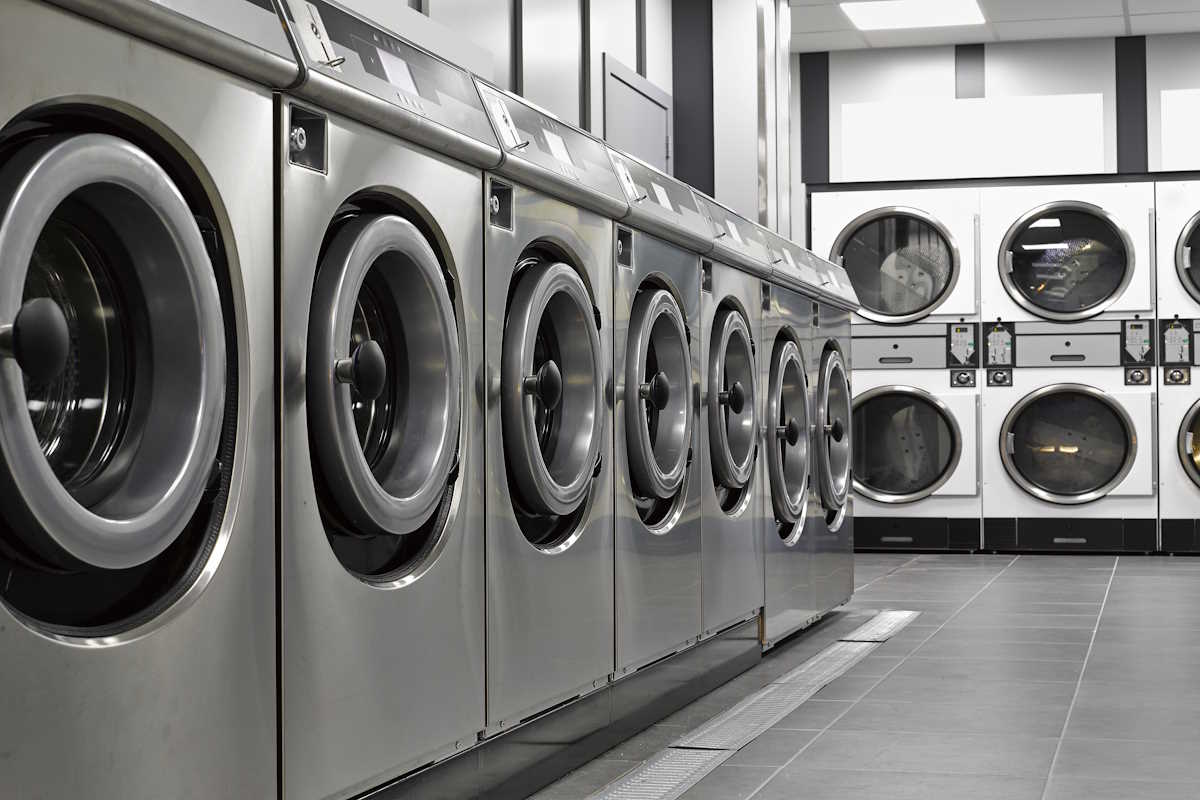
Laundry operators considering an upgrade should explore commercial laundry equipment (browse here) solutions to better understand how modern machinery can improve productivity, reduce operating costs, enhance finishing quality, and support higher processing volumes for commercial laundry operations.
Before replacing existing machines, businesses should review maintenance records, energy consumption, repair frequency, processing capacity, and equipment reliability. Frequent breakdowns or increasing repair costs often indicate that replacement may be more cost-effective than continued maintenance.
Assessing current performance also helps identify which equipment upgrades will have the greatest impact on overall efficiency.
Making decisions based on operational data leads to better long-term investment outcomes.
Consider Future Business Requirements
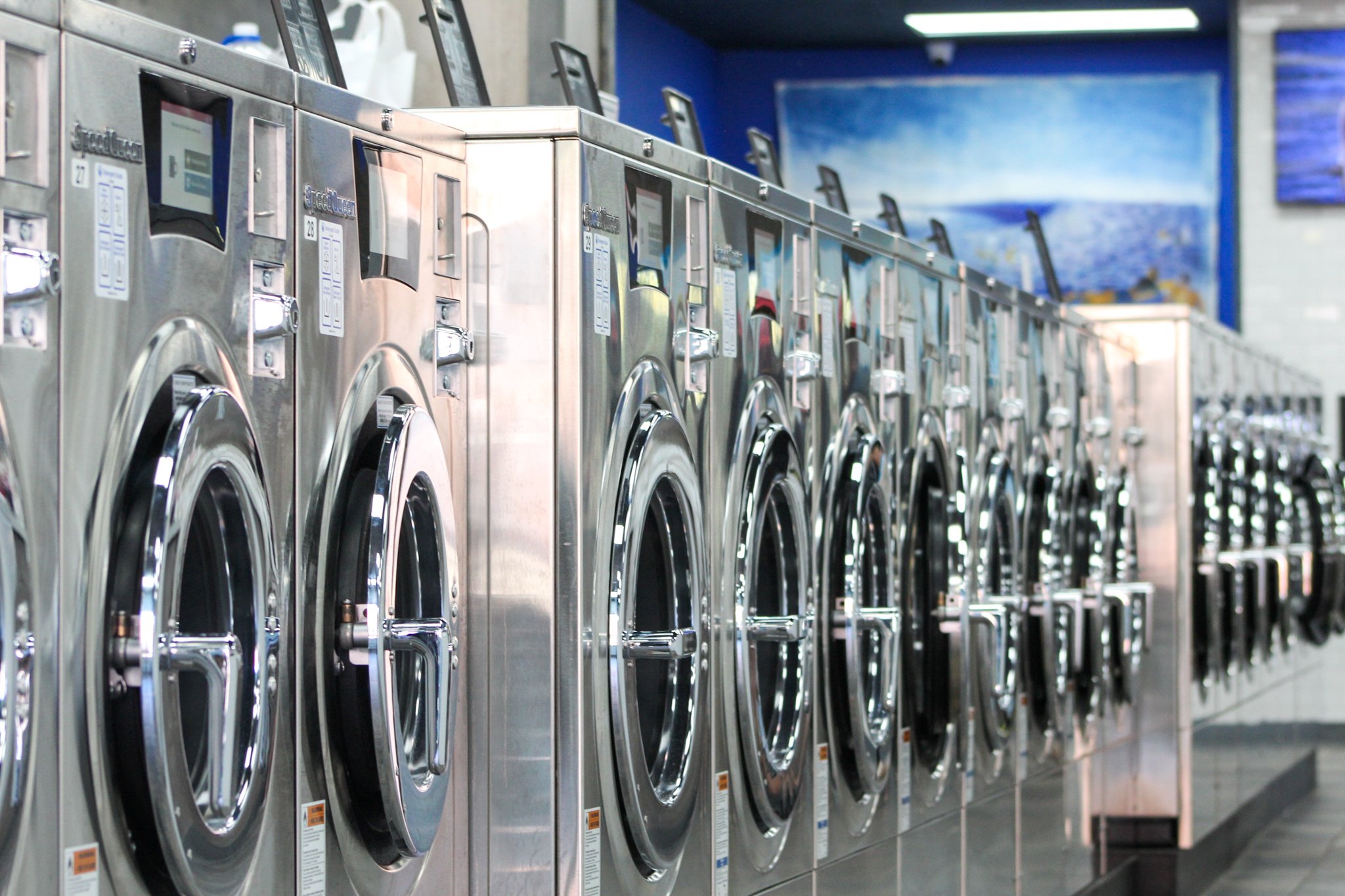
New equipment should support both current workloads and future growth. Businesses expecting increased customer demand may benefit from machinery with greater capacity, improved automation, and faster processing times.
Energy efficiency, water consumption, ease of operation, and maintenance requirements should also be considered when comparing different equipment options. Modern machines often provide lower operating costs while improving consistency and garment quality.
Selecting equipment that can adapt to future business needs helps maximise the value of the investment.
Planning beyond immediate requirements supports sustainable business growth.
Calculate Long-Term Value Rather Than Purchase Price
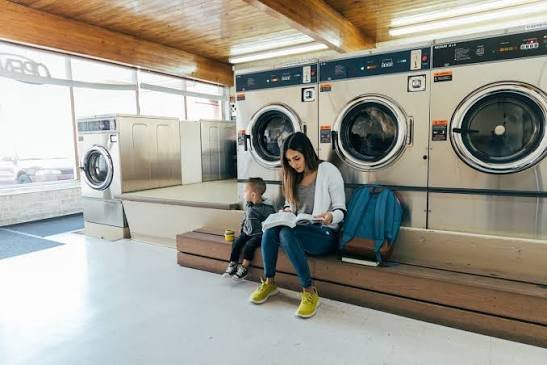
While the purchase price is an important factor, businesses should also evaluate the total cost of ownership. Ongoing maintenance, energy consumption, productivity improvements, equipment lifespan, and manufacturer support all contribute to the overall value of new machinery.
Reliable equipment that reduces downtime and increases processing efficiency may provide greater financial benefits over time than choosing the lowest-cost option. Comparing lifecycle costs helps businesses make more informed purchasing decisions.
Regular consultation with equipment specialists can also assist operators in selecting machinery that best matches their operational goals.
A long-term perspective often leads to stronger financial and operational results.
Conclusion
Replacing commercial laundry machines is an important investment that should be guided by careful planning rather than equipment age alone. Reviewing current performance, future business needs, and long-term operating costs helps businesses choose machinery that supports greater efficiency and reliability.
By investing in equipment that aligns with operational goals, commercial laundries can improve productivity, reduce maintenance costs, and continue delivering the high-quality service their customers expect for years to come.