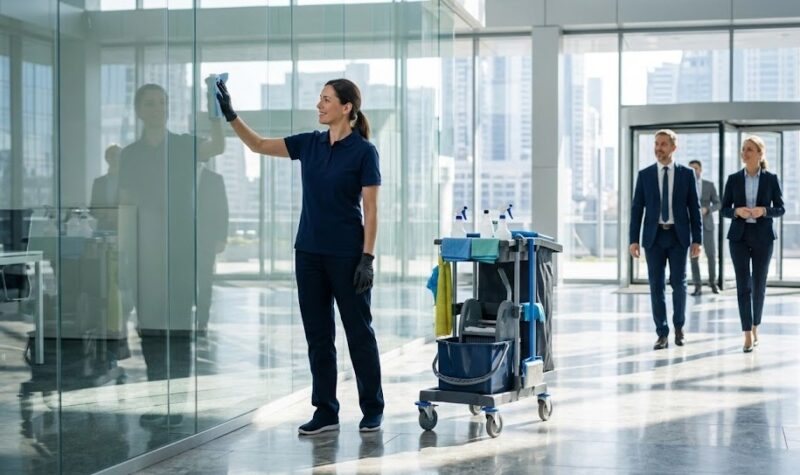
A business reputation is shaped by more than the quality of its products or services. Customers, employees, suppliers and visitors also notice the condition of the workplace. Dirty floors, unpleasant odours, overflowing bins or poorly maintained facilities can quickly create a negative impression. Professional cleaning helps businesses present a consistent, organised and trustworthy image while reducing the risk of hygiene problems that may damage confidence.
Creating a Positive First Impression
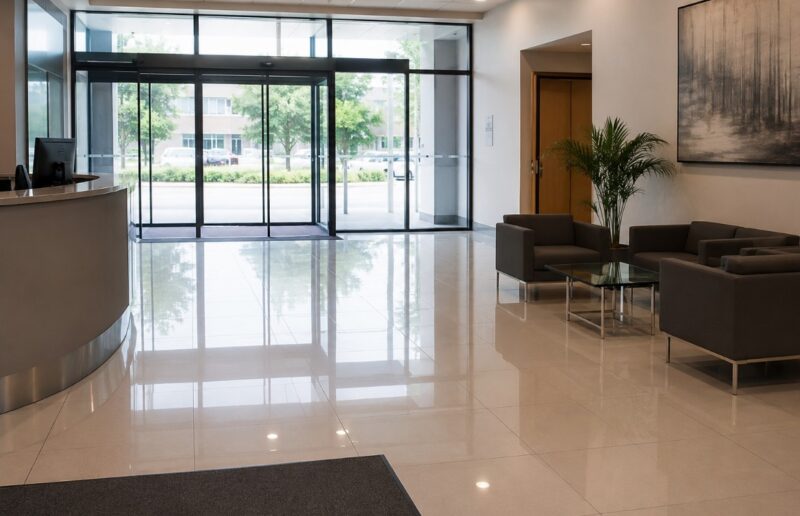
People often form an opinion about a business within moments of entering its premises. Reception areas, entrances, floors, windows and customer facilities all contribute to that initial judgement. Companies working with an experienced industrial cleaning company can maintain these areas to a professional standard. Businesses can visit this website to review cleaning solutions designed for different commercial and industrial environments.
A clean entrance suggests that the organisation pays attention to detail. Polished floors, clear glass, tidy waiting areas and fresh-smelling rooms can make customers feel more comfortable and confident. In contrast, visible dust, stains or neglected bathrooms may lead visitors to question how carefully the business manages other responsibilities.
First impressions are especially important in industries where customers visit regularly. Retail stores, medical centres, offices, hospitality venues and showrooms all depend on clean surroundings to support their brand image. Even businesses with limited public access may receive suppliers, inspectors, job candidates or corporate partners who notice workplace standards.
Supporting Customer Trust and Brand Consistency
Professional cleaning helps ensure that the physical workplace reflects the standards promoted by the brand. A company may advertise reliability, quality and professionalism, but those claims can appear less credible when its premises are poorly maintained.
Consistent cleaning is particularly important for businesses operating across several locations. Customers expect a similar experience at every branch, store or office. A structured cleaning program, supported by checklists and quality inspections, helps reduce differences between sites and ensures that important tasks are completed regularly.
Cleanliness can also influence online reviews and word-of-mouth recommendations. Customers may mention dirty bathrooms, sticky floors, unpleasant smells or visible waste when sharing negative experiences. These comments can remain online for years and affect future purchasing decisions. Preventing such problems is usually easier than trying to repair reputational damage after complaints become public.
Prompt cleaning also helps businesses respond to unexpected incidents. Spills, weather-related dirt, construction dust or increased visitor traffic can quickly affect presentation. A dependable cleaning provider can adjust the service schedule or arrange additional support when conditions change.
Protecting Employee Confidence and Professional Standards
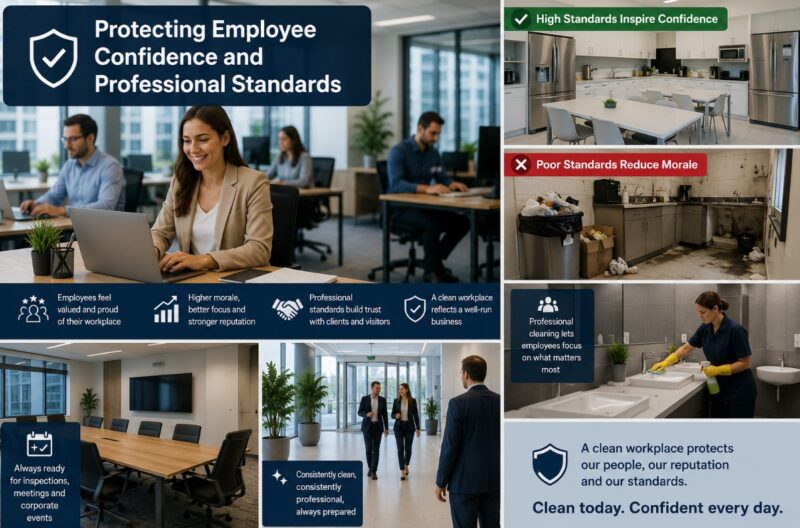
Employees play an important role in shaping a company’s reputation. Staff members who work in a clean and organised environment may feel more valued and take greater pride in representing the business. They are also more likely to maintain their own work areas and follow workplace hygiene expectations.
Poor cleaning standards can have the opposite effect. Employees may become frustrated by overflowing waste, unclean kitchens or badly maintained bathrooms. These concerns can reduce morale and may be discussed with clients, potential employees or through public workplace reviews.
Professional cleaning allows employees to focus on their actual responsibilities rather than dealing with routine maintenance tasks. It also demonstrates that management is committed to providing suitable working conditions. Clean meeting rooms, organised shared spaces and hygienic facilities support more professional interactions between staff, customers and visitors.
Regular cleaning can also help businesses prepare for inspections, important meetings and corporate events. Instead of arranging last-minute improvements, the workplace remains consistently presentable and ready for unexpected visitors.
Conclusion
Professional cleaning protects a business reputation by improving first impressions, supporting customer trust and maintaining consistent workplace standards. It also strengthens employee confidence and reduces the risk of negative complaints about hygiene or presentation. By treating cleanliness as an ongoing operational priority rather than an occasional task, businesses can create an environment that reflects reliability, care and professionalism.