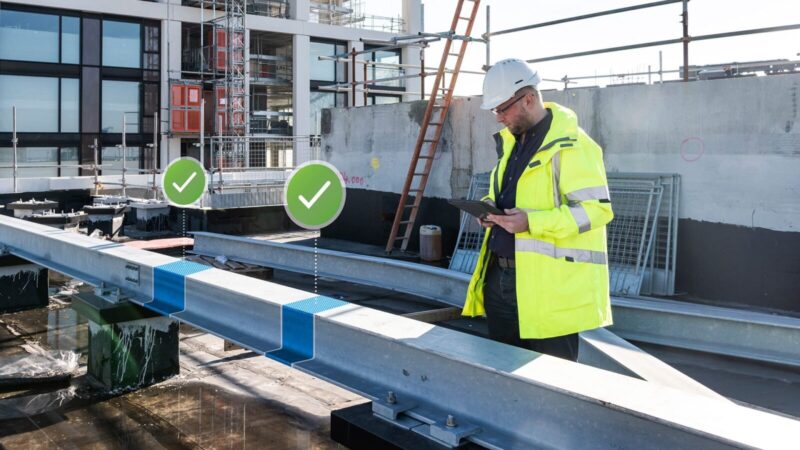
Containment systems are used in landfills, mining facilities, wastewater ponds, reservoirs, and other projects where liquids or hazardous materials must remain isolated from the surrounding environment. Even a well-designed system can fail if materials are damaged or installed incorrectly during construction.
Construction quality assurance provides independent verification that installation work follows the approved design, technical specifications, and relevant standards. Identifying problems while construction is still underway is usually faster and less expensive than repairing a completed containment facility.
Verifying Materials Before Installation Begins
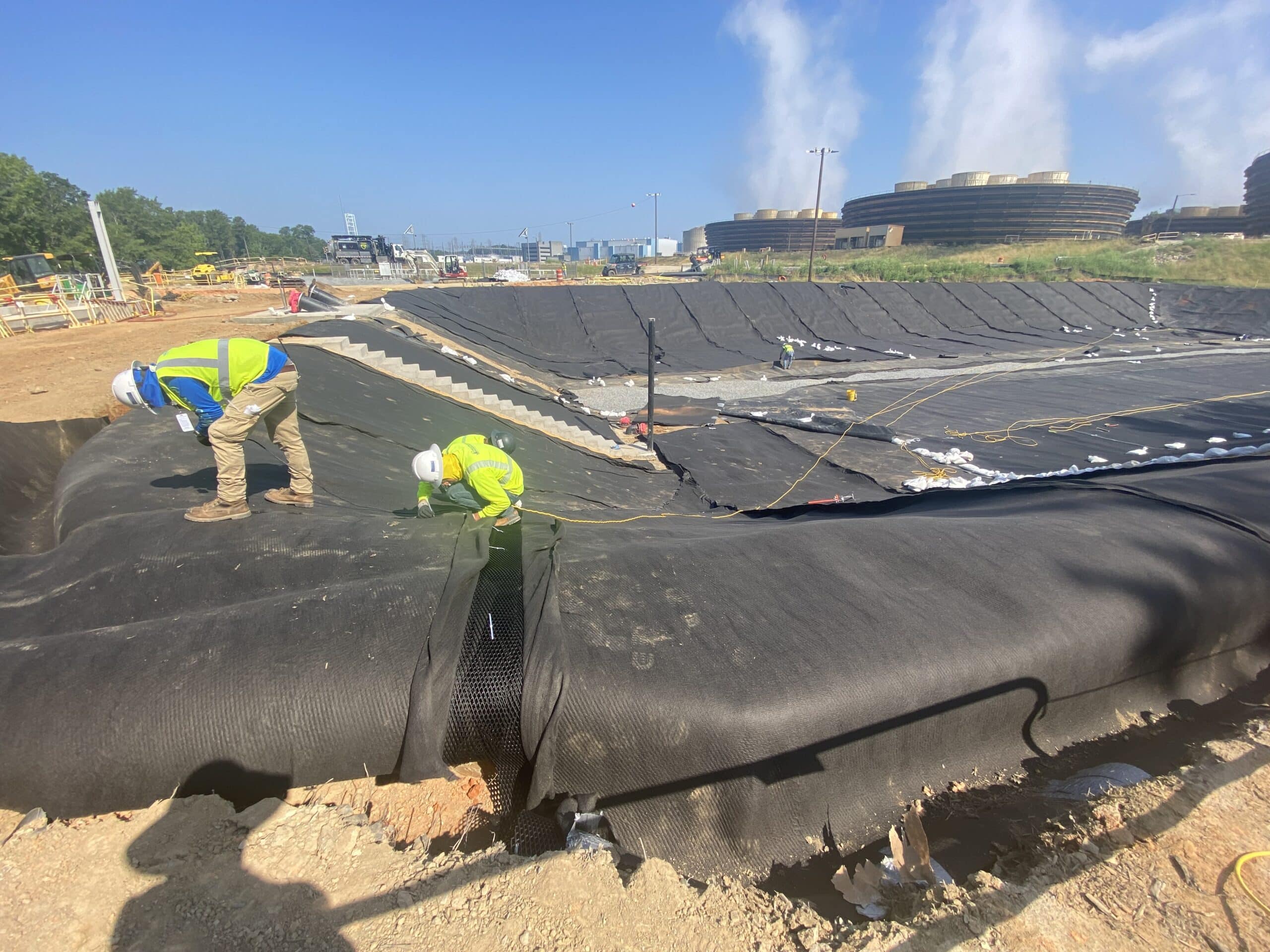
Quality assurance starts before geomembranes, geotextiles, drainage products, and other geosynthetic materials are installed. Documentation should be reviewed to confirm that delivered products match the specified material type, thickness, strength, and manufacturing requirements.
Materials must also be inspected after arriving on site. Rolls can be damaged during transportation, unloading, or storage. Tears, deformation, contamination, exposure to unsuitable conditions, and incorrect labelling should be documented before installation begins.
A structured CQA (click here) process establishes clear inspection, testing, reporting, and acceptance procedures for each stage of construction. This gives project teams a consistent method for deciding whether materials and completed work satisfy the approved requirements.
Proper storage is equally important. Geosynthetics should be protected from standing water, mud, sharp objects, excessive heat, and other conditions that could affect performance. Accepting unsuitable materials can introduce weaknesses that remain hidden until the containment system is placed into service.
Monitoring Installation and Seaming Work
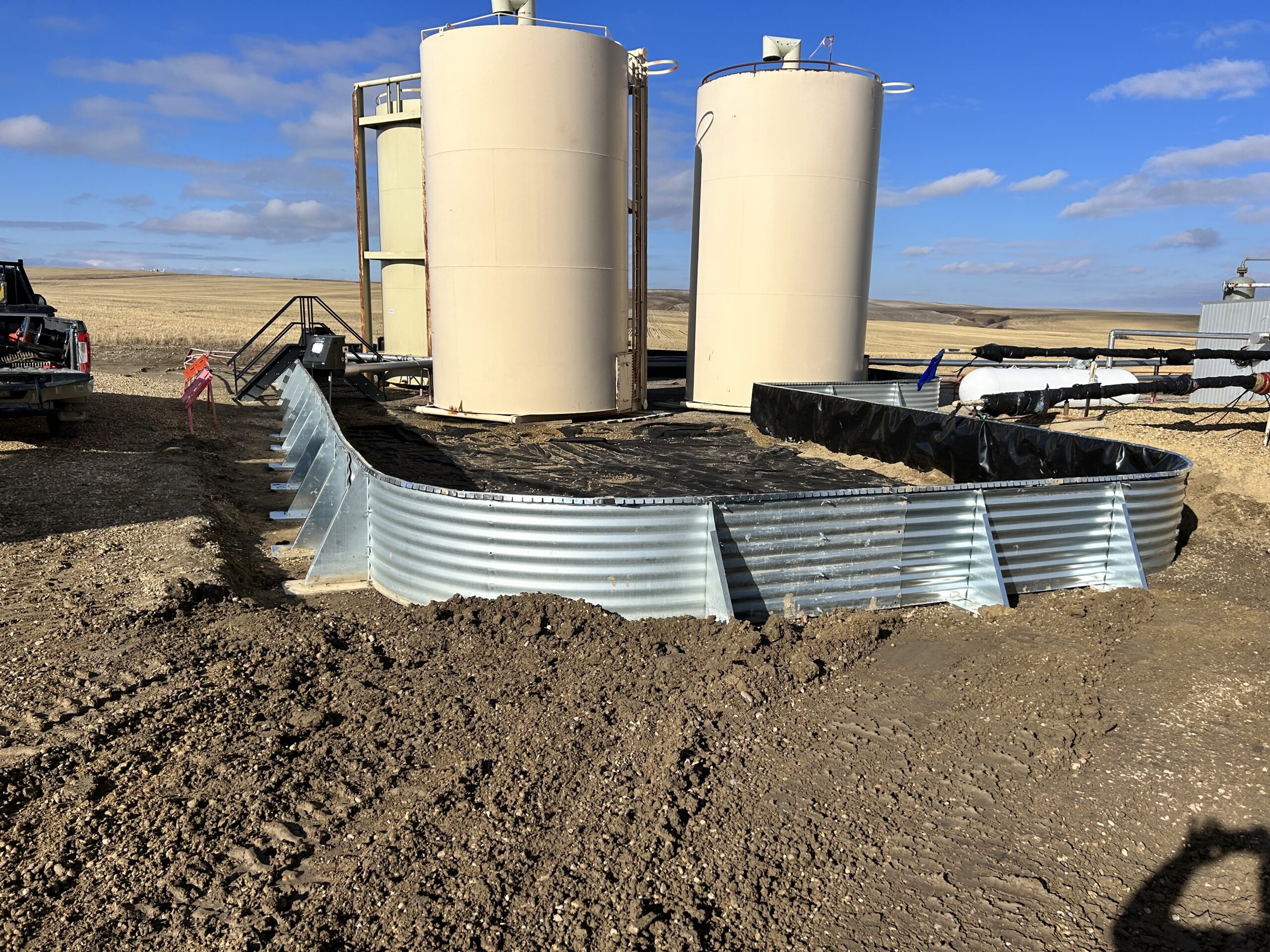
Containment materials are vulnerable while they are being positioned and joined. Quality assurance personnel monitor surface preparation, panel placement, equipment operation, weather conditions, and the methods used by installation crews.
The supporting surface should be smooth and free from stones, debris, standing water, and abrupt changes that could puncture or overstress the liner. Inspectors can identify unacceptable areas before they are covered, preventing damage that may otherwise become difficult to locate.
Geomembrane seams require particular attention because poorly completed joints can create leakage paths. Trial seams, non-destructive examinations, and destructive seam tests may be performed according to the project specifications. Results should be recorded and linked to specific locations on the installed liner.
Any failed test, visible defect, or damaged section must be clearly marked, repaired, and retested. Continuous monitoring ensures that corrective work occurs before additional layers conceal the affected area.
Conclusion
Construction quality assurance protects containment projects by verifying materials, monitoring installation, testing seams, documenting repairs, and confirming compliance with the approved design. It turns quality requirements into a practical process that can be followed throughout construction.
By detecting defects before they are buried or placed into service, CQA reduces the likelihood of leakage and costly remediation. The investment in qualified inspection and accurate documentation can protect the facility, surrounding environment, project budget, and long-term operational performance.