Selecting between AIS and GIS substations is one of the most important early decisions in network, industrial, and renewable energy projects. The choice affects footprint, cost, construction speed, maintenance, and long term reliability. From 11kV distribution connections through to 330kV transmission interfaces, the “right” approach depends on site constraints, environmental conditions, and how critical availability is for the asset.
Core differences between AIS and GIS and when each fits best

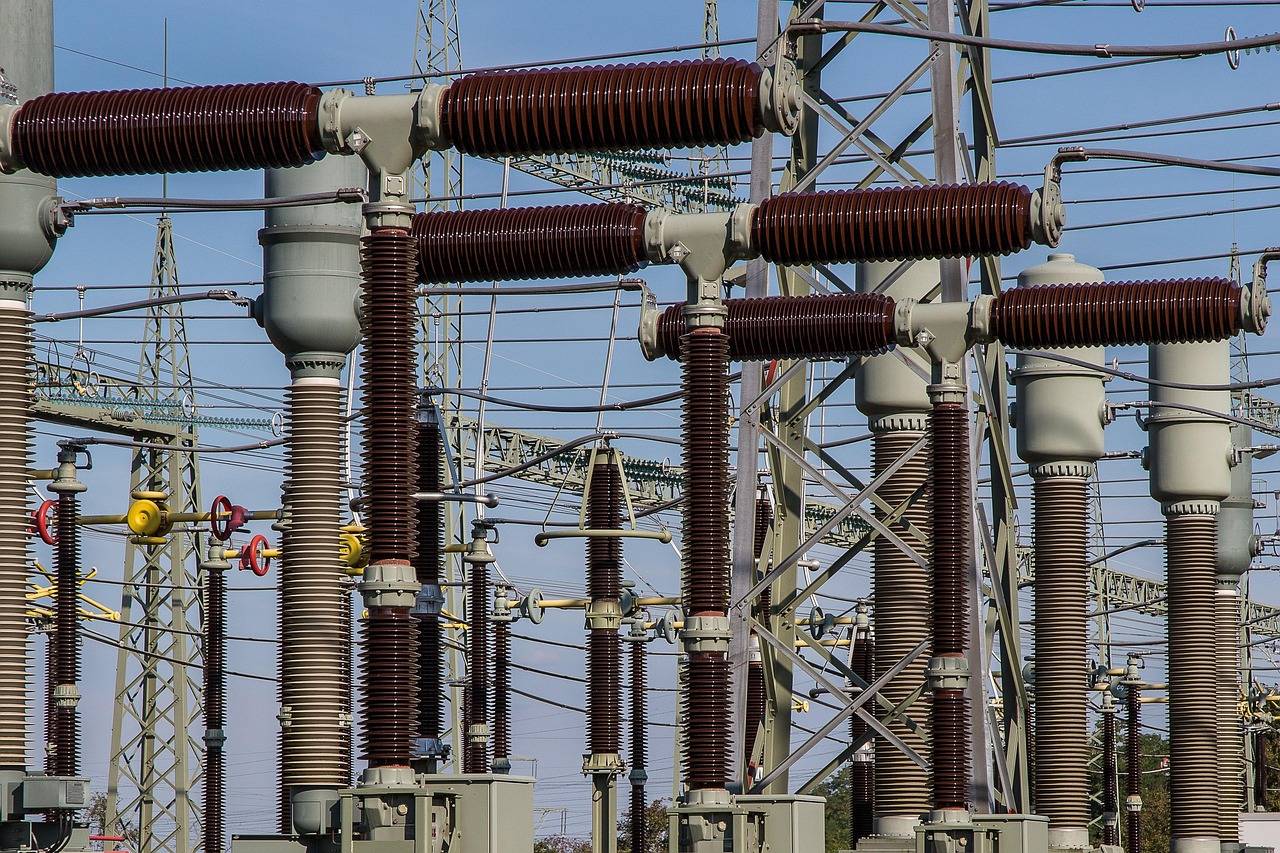
Air Insulated Switchgear substations use air as the primary insulation medium and require larger phase to phase and phase to earth clearances. This generally makes AIS the lower cost option on a pure equipment basis, with simpler inspection and easier access for maintenance. AIS is often preferred where land is available, climates are mild, and there is a desire for straightforward expansions or modifications over time.
Gas Insulated Switchgear substations enclose live parts within grounded metal compartments filled with insulating gas, resulting in a much smaller footprint and stronger protection from contamination. For projects that need to discover more about solar substation design, GIS is frequently considered when space is tight, when the site is exposed to dust, salt, humidity, or pollution, or when high availability is essential and planned outages must be minimized. The tradeoff is higher upfront cost, specialized handling requirements, and more controlled maintenance practices.
In practice, many projects adopt hybrid solutions, such as GIS at the high voltage bay and AIS for medium voltage sections, balancing footprint and budget while targeting GIS where it delivers the most risk reduction.
How voltage level and site conditions change the decision
At 11kV to 33kV, AIS is common because the equipment is compact enough for most sites and maintenance is relatively simple. However, in dense urban locations, enclosed industrial facilities, tunnels, basements, or coastal environments, GIS at these voltages can be attractive due to reduced space and better resilience against moisture and contaminants.
From 66kV to 132kV, the footprint gap between AIS and GIS becomes more pronounced. AIS yards can expand quickly in size, which may trigger land acquisition issues, civil costs, and longer cable routes. GIS can compress the substation into a much smaller area, often shortening construction time and simplifying security and fencing. For harsh environments, GIS can also reduce fault risk caused by pollution flashover, which is a practical reliability advantage rather than a theoretical one.
At 220kV to 330kV, the decision often becomes a strategic balance between capital cost, land constraints, outage tolerance, and lifecycle performance. GIS can enable high voltage connections in constrained switchyards, ports, city fringes, and renewable hubs where multiple feeders must fit in limited space. AIS may still be preferred where land is inexpensive and the grid operator values easy visibility and straightforward replacement philosophies.
Cost, maintenance, and lifecycle risk for long term operation

AIS is typically cheaper to procure and can be easier to inspect visually, which many operators like for routine checks. Repairs and modifications can sometimes be performed with more conventional skills and tooling. However, AIS can carry higher risk exposure in severe weather, high pollution areas, and locations with frequent dust or salt contamination, where cleaning and preventative maintenance become more demanding.
GIS usually costs more upfront but can reduce certain operational risks, especially where environmental stress drives faults or where outages are extremely costly. GIS also supports compact modular builds and controlled factory tested assemblies, which can improve commissioning predictability. The lifecycle discussion should include spares strategy, technical support availability, maintenance windows, and the operator’s familiarity with GIS practices.
Conclusion
AIS and GIS both have clear strengths across 11kV to 330kV, and the best choice depends on land, environment, outage tolerance, delivery schedule, and whole of life risk. AIS often wins on simplicity and cost where space and conditions allow, while GIS shines when footprint, pollution resilience, and availability are critical. A structured evaluation that ties technical performance to site realities will consistently produce the most reliable and cost effective substation outcome.